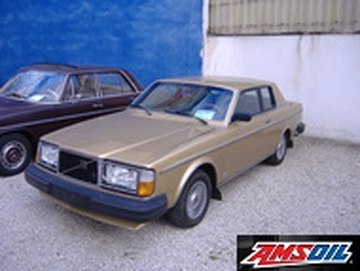
Lubrication Maintenance for the 1981 Volvo COUPE 2.8L
Maintaining the mechanical integrity of a classic vehicle requires a disciplined approach to fluid management and regular inspections. For the 1981 Volvo COUPE equipped with the 2.8L B28F engine, consistent attention to lubrication is a fundamental aspect of long-term ownership. Because older engines operate under specific mechanical tolerances, the quality and condition of the engine oil play a vital role in the overall health of the powertrain.
Monitoring Engine Fluid Integrity
A proactive approach to maintenance involves more than just scheduled changes; it requires active observation of the vehicle's operating state. Owners should regularly check for signs that indicate the lubrication system may need attention. While many factors can influence how an engine behaves, certain observations warrant closer investigation.
Visible fluid seepage around the engine block or near sealing surfaces is a primary indicator that gaskets or seals may be aging. If you notice wetness or residue in areas where oil typically accumulates, it is advisable to inspect those components for signs of wear. Additionally, monitoring the appearance and consistency of the oil can provide insight into its condition. Oil that appears excessively dark, gritty, or contains visible particulates should be addressed promptly.
It is also useful to observe the vehicle's exhaust during operation. While exhaust characteristics can be influenced by many variables, certain changes in smoke color or consistency may indicate that oil is interacting with other engine processes. If you notice any unusual mechanical noises that coincide with changes in how the engine sounds under load, these should be investigated to ensure the lubrication is performing its intended role.
Managing Aging Components and Seals
As vehicles age, the materials used in various gaskets and seals can undergo changes due to thermal cycling and time. For a 1981 Volvo COUPE, this means that routine inspections should prioritize the condition of all accessible rubber and composite sealing components. Rather than assuming a part is functional simply because it has not failed previously, a visual assessment can help identify early signs of degradation.
When performing routine service, look for:
- Evidence of seepage around various engine junctions.
- Cracking or hardening of any visible rubber hoses or belts, if equipped.
- The condition of electrical connectors and wiring near heat sources.
- Signs of previous maintenance work that may have left residue or improper fittings.
By identifying these issues early, an owner can distinguish between a minor seepage that requires monitoring and a more significant leak that necessitates immediate repair. This condition-based approach is often more effective than following a rigid replacement schedule based solely on the age of the vehicle.
Establishing a Maintenance Baseline
For many owners of classic vehicles, the service history may be incomplete or undocumented. In these instances, the first priority is to establish a maintenance baseline. This involves performing a thorough inspection of all fluids and mechanical components to determine the current state of the vehicle. Once you have documented the current condition—noting any existing leaks, the color of the fluids, and the general state of the belts and hoses—you can begin to track changes over time.
Keeping a detailed log of every oil change, filter replacement, and observed inspection point is invaluable. This record serves as a roadmap for future maintenance, allowing you to see if a specific component is deteriorating more rapidly than expected or if a particular lubricant is performing well under the engine's operating conditions. A well-maintained history helps in making informed decisions about whether to perform preventive maintenance or to wait until a component shows clear signs of needing replacement.
Prioritizing Service Tasks
Effective maintenance is about directing resources toward the areas of highest importance. For the 2.8L B28F engine, priorities should be dictated by the actual condition of the vehicle rather than theoretical wear patterns. If you discover an active leak or notice a significant change in how the engine consumes oil, these issues should take precedence over general cosmetic or secondary maintenance tasks.
If the vehicle has been sitting for extended periods, the first priority should be verifying the integrity of all fluids and checking for any signs of degradation in age-sensitive components like belts or hoses. Once a baseline of stability is established, routine tasks such as oil and filter changes can proceed according to a consistent schedule. This method ensures that you are addressing the most critical needs of the 1981 Volvo COUPE first, maximizing both safety and mechanical longevity.
Understanding Lubricant Functionality
Engine oil performs several essential roles within the engine environment. Beyond providing a layer of protection between moving parts to reduce friction, it also assists in managing the thermal energy generated during combustion. Furthermore, the oil acts as a medium to carry away microscopic contaminants and debris, preventing them from accumulating in sensitive areas of the engine.
The ability of an oil to resist oxidation and maintain its chemical stability is crucial for long-term protection. As oil is subjected to heat and pressure, it can eventually break down, losing its ability to effectively manage these tasks. This is why monitoring the condition of the lubricant is just as important as monitoring the engine itself. Using a high-quality lubricant that meets the necessary standards helps ensure that the oil can continue to perform these functions throughout its service life.
Practical Advice for Buying Engine Oil for your 1981 Volvo COUPE 2.8L
When it is time to replenish your engine's lubrication, accuracy in selection is paramount. You should not rely on general automotive knowledge or assumptions based on the vehicle's age to choose a product. Instead, match the engine oil to the application-specific viscosity information already displayed on this webpage.
Before finalizing your purchase, follow these practical steps:
- Verify that the oil you are buying matches the specific viscosity requirements listed in the application data above.
- Check the product labeling to ensure it meets current API service classifications.
- Consider different formulations, such as conventional, synthetic blends, or full synthetics, based on the specific guidance provided for this engine.
- If your vehicle has high mileage, you may look into formulations that include seal-conditioning additives, though you should always prioritize the viscosity and application specifications first.
By strictly adhering to the technical information provided for the 1981 Volvo COUPE 2.8L, you ensure that the lubricant is chemically and physically suited for the specific requirements of the B28F engine.